-
Elroy Hub, Kugeria Rd
Off Kiambu Rd
-
+254 707 767 453
ask@nurutrust.africa

- This event has passed.
Event Navigation
June 20
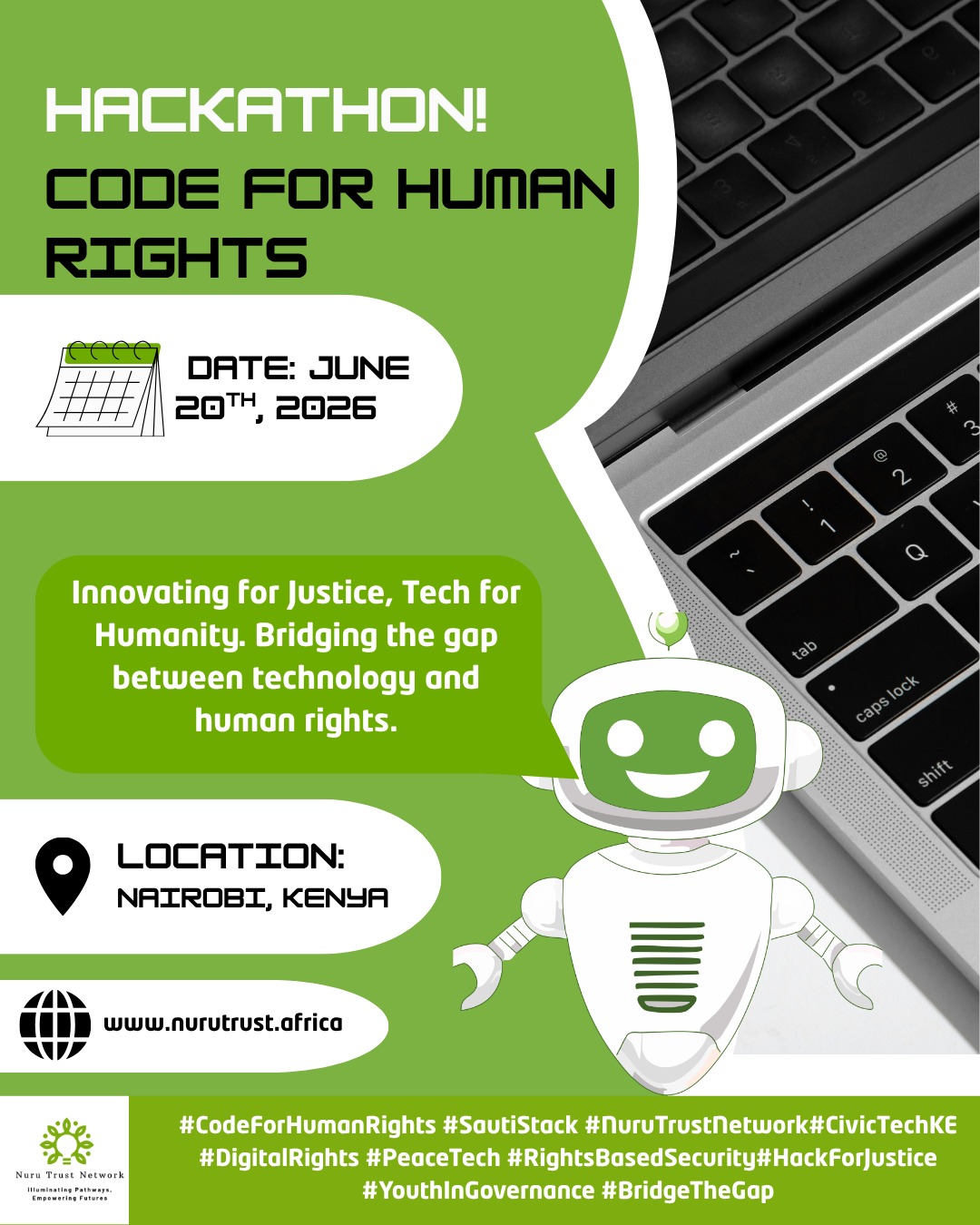
Code For Human Rights Event (C4HR)
ABOUT THE PROGRAMME
Technology in service of human rights
Counterterrorism efforts are essential for public safety — yet their implementation can inadvertently restrict the civic freedoms and rights of vulnerable communities. The Code for Human Rights Project empowers youth innovators to use technology to document lived realities, amplify community voices, and design people-centred digital solutions. Teams combine human rights advocacy with civic innovation to foster security approaches that are both inclusive and effective.
Document lived realities
Build tools that surface the real experiences of communities affected by counterterrorism policies.
Amplify community voices
Design platforms that enable grassroots participation and accountability at every level.
Innovate for inclusion
Create civic tech solutions that put people at the centre of security and governance decisions.
PROGRAMME TIMELINE
How the eight weeks unfold
Wk 1
WEEK 1 • MENTOR ONBOARDING
Mentor Onboarding
A virtual meeting with the mentors was held to familiarize them with the project’s objectives, discussion themes, program and implementing team.
Wk 1
WEEK 1 • LAUNCH
Launch and Briefing
Participants and mentors are introduced to one another and officially welcomed into the program. Participants are briefed on the project’s themes, timeline, expectations and program. Participants are then grouped into five teams of four members each in which they will develop digital solutions.
Wk 2–7
WEEKS 2 – 7 • CORE HACKATHON
Hackathon Days
Participants attend weekly virtual learning sessions every Monday from 7:00 PM to 8:00 PM EAT which will focus on digital solution development, human rights themes and innovation process. From week four onwards, teams begin developing their solutions with future sessions dedicated to mentorship, refinement and feedback.
Wk 8
WEEK 8 • DEMO DAY
Demodays and Awards
Teams present their completed digital innovations to the Nuru Trust Network team mentors, partners and relevant stakeholders. Three winning solutions are selected to receive continued mentorship and support for further development.
What Participants Will Build
Participants will work in 5 teams of 4 members each to design practical civic tech solutions that are built to respond to Human Rights challenges in counter terrorism contexts. Across the Hackathon the teams will be tasked with research, prototype development then pitching tools that promote accountability, civic participation and community protection.
PROTOTYPE CHALLENGE TRACKS
Five Communities. Five Problems. Infinite Solutions.
Participants will work in 5 teams of 4 members each to design practical civic tech solutions that are built to respond to Human Rights challenges in counter terrorism contexts. Across the Hackathon the teams will be tasked with research, prototype development then pitching tools that promote accountability, civic participation and community protection.
01
Kilifi
Silent Coast
Design a community-owned early warning system for youth radicalisation that is preventive, not punitive.
KuzuiaApp — An anonymous community reporting platform with SMS + USSD access and trusted elder verification layer.
02
Wajir
Bridging Elders & Youth
Create a platform that respects traditional elder authority while integrating youth digital tools for CVE dialogue.
GeesTech — A structured intergenerational dialogue platform connecting elder councils with youth social media monitoring.
03
Baringo
Climate, Conflict & Cattle
Build a tool for communities to document and communicate the climate-security nexus to policymakers.
Ngo’Data — A community-led geo-mapping tool to record resource clashes, rainfall data, and submit evidence briefs to county officials.
04
Marsabit
Women as Security Actors
Create a safe, culturally appropriate channel for women to report radicalisation clues without facing backlash.
SirriSalama — A women-only voice-note reporting system with WhatsApp integration, offline capability, and trained community handlers.
05
Isiolo
Rights Without Resources
Build an accessible tool translating constitutional economic rights (Article 43) into actionable daily information for youth.
Haki Yangu — A rights information chatbot in Borana, Somali & Swahili delivering bursary, job, and entitlement info via SMS and WhatsApp.
Mentors

Enya Eworo Echeng
Chair, African Union Youth for Transitional Justice (AY4TJ)
Enya Eworo Echeng is a lawyer and development practitioner working at the intersection of transitional justice, governance, and youth inclusion across Africa. His work centres on strengthening institutional accountability, advancing human rights, and bridging continental policy frameworks with grassroots engagement.

Daniel Iberi
Communications Coordinator for East Africa, Afrobarometer
Daniel Iberi is the Communications coordinator for East Africa at Afrobarometer and a Strategic Communications Specialist with more than 10 years of experience in the field of communication as a consultant, trainer, and academic. Iberi’s proficiency lies in designing and implementing communication strategies, crafting impactful narratives, writing and editing, training, managing digital communication channels, overseeing websites, and coordinating projects.

Patricia Joseph
Program Manager, Katiba Institute
Patriciah Joseph is the Programmes Manager at Katiba Institute. She is an advocate of the High Court of Kenya with over ten years’ post-admission experience. Her research interests include constitutionalism, constitution building especially in Africa, gender and governance, human rights, electoral justice and access to justice.
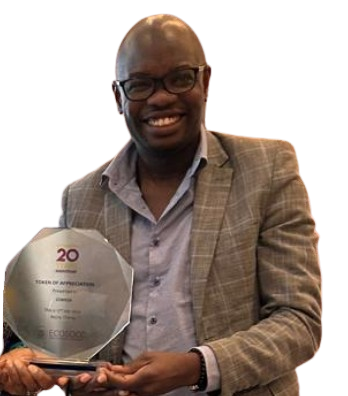
Dr. Oita Etyang
Head of Governance, Peace and Security, The Common Markets for Eastern and Southern Africa (COMESA), Zambia
Dr. Oita Etyang is the Head of Governance, Peace and Security at the Common Market for Eastern and Southern Africa (COMESA), where he leads regional efforts to strengthen democratic governance, conflict prevention, and peacebuilding across the 21‑member bloc. His work focuses on supporting member states in advancing inclusive governance systems, enhancing early warning and response mechanisms, and promoting stability.

Nicki Khalfas
Program Associate, Global Democracy Coalition
Nicki Kalfas is an international democracy professional specializing in global coalition building, strategic communications, advocacy, and program coordination. She currently serves as Program Associate for the Global Democracy Coalition (GDC). She leads and coordinates the Coalition’s communications and advocacy infrastructure, and acts as the primary communications liaison.
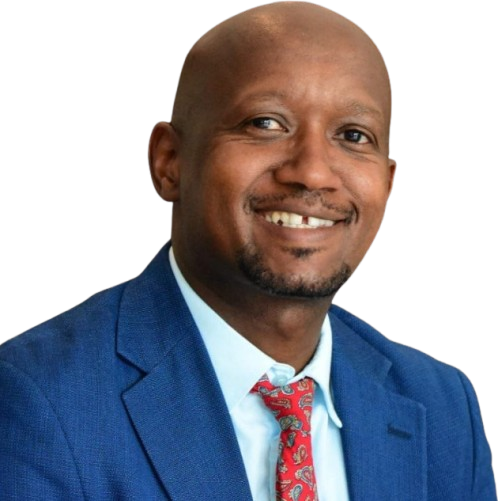
Dr. Abdi Halkano
Senior lecturer, Egerton University
Dr. Halkano Abdi Wario is a senior lecturer in the Department of Philosophy, History, and Religion at Egerton University in Kenya. His interests encompass transnational organised crime, terrorism, and combatting violent extremism in Africa, alongside transnational religious movements, youth and politics in Africa, and the geopolitics of the Horn of Africa and the Red Sea.

Christine Odera
Co-Chair for the Kenya Coalition on Youth, Peace and Security (KCYPS)
Christine Odera is an advocate for youth mainstreaming, peace and security, with more than a decade of experience in alliance building, program management, policy advocacy and development. I possess a unique blend of strategic thinking and practical implementation skills.

Wayne Gakuo
Google Developer Expert in Angular and a Senior Frontend Engineer
Wayne Gakuo is a Google Developer Expert in Angular and a Senior Frontend Engineer dedicated to mastering best practices for architecting software with a focus on scalability, maintainability, and user needs. As an Angular trainer, he also provide software engineering training, equipping professionals with the technical skills to build robust web applications using Angular.
WHAT YOU WIN
Prizes & incubation pathways
Sauti Stack incubation
Entry into Nuru Trust’s flagship incubation programme for winning teams
Continued mentorship
Ongoing technical and strategic support to take your solution further
Regional competition
Compete at the Accountability Lab East & Southern Africa regional hackathon
Partnerships & visibility
Winning solutions featured and promoted across Nuru Trust’s regional network
Get in touch
For questions about the programme, reach the Nuru Trust team directly.