-
Elroy Hub, Kugeria Rd
Off Kiambu Rd
-
+254 707 767 453
ask@nurutrust.africa
26
MayBy: Nicholas Njau
Comments: 0
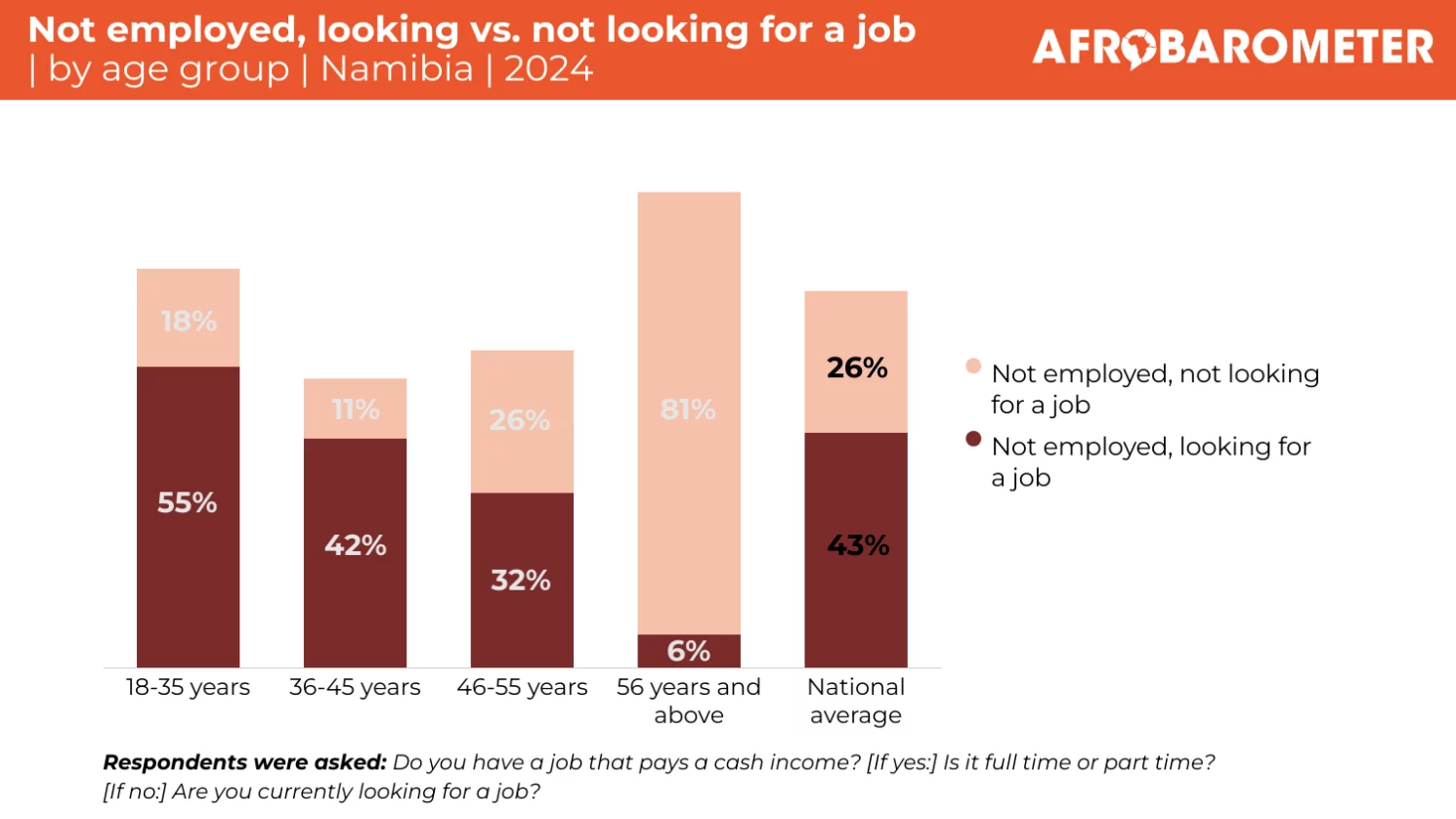
About 70% of Namibia’s 3 million people are under the age of 35 (World Bank, 2026; Itana, 2025). While mining, agriculture, tourism, and other sectors of the economy have recorded substantial progress since independence in 1990, unemployment – currently estimated at 36.9% – has been a persistent problem (World Bank, 2026). The challenge is especially acute for youth: According to the most recent labour force survey, conducted in 2023, unemployment among 15- to 34-year-olds stood at 44.4%, a figure that rises further in economically marginalised regions as well as if “discouraged workers” are added (Namibia Statistics Agency, 2023; Ndjavera, 2022; Tendane, Hartman, & Alberts, 2023). A recent survey by the Active Youth Organization (AYO), a youth-led organisation focused on the United Nations (UN) Sustainable Development Goals, reinforces these findings, with 85% of young respondents reporting frustration over unemployment, 72% citing limited access to education, and 68% expressing concern about inadequate resources (Itana, 2025).
Both government and nongovernmental actors have invested in youth empowerment. Alongside local partners such as the AYO, the United Nations Development Programme has supported initiatives connecting young Namibians to training, funding, and regional networks (Itana, 2025). The UN recognised Namibia as a “Pathfinder Country” for the Global Accelerator Programme in 2023, leading to the development of a national roadmap focused on employment creation, youth entrepreneurship, social-protection expansion, and economic formalisation (African Peer Review Mechanism, 2025). Read more