
-
Elroy Hub, Kugeria Rd
Off Kiambu Rd
-
+254 707 767 453
ask@nurutrust.africa
Strengthening University–Industry Collaboration for Youth Skills Development Through EdTech Partnerships
Under UNESCO’s Campus Africa flagship and in line with the Organization’s Operational Strategy for Priority Africa (2022 – 2029), UNESCO is supporting higher education institutions to strengthen their role in youth empowerment, skills development, innovation, and sustainable socio-economic transformation. Central to this effort is fostering collaboration between universities and industry, particularly through the responsible use of digital technologies to enhance teaching, training, and youth employability.
Within this framework, TECH SPARK Africa: Technology Empowerment and Competency Enhancement for Skills, Professional Articulation, and Knowledge Innovation is a regional initiative coordinated by the UNESCO Regional Office for Southern Africa (UNESCO ROSA). Implemented in partnership with universities in Botswana (Botswana International University of Science and Technology), Namibia (Namibia University of Science and Technology), and Zimbabwe (Harare Institute of Technology), the initiative focuses on leveraging simulation learning technologies to strengthen STEM education, build educator capacity, and support the digital transformation of higher technical education. Read more
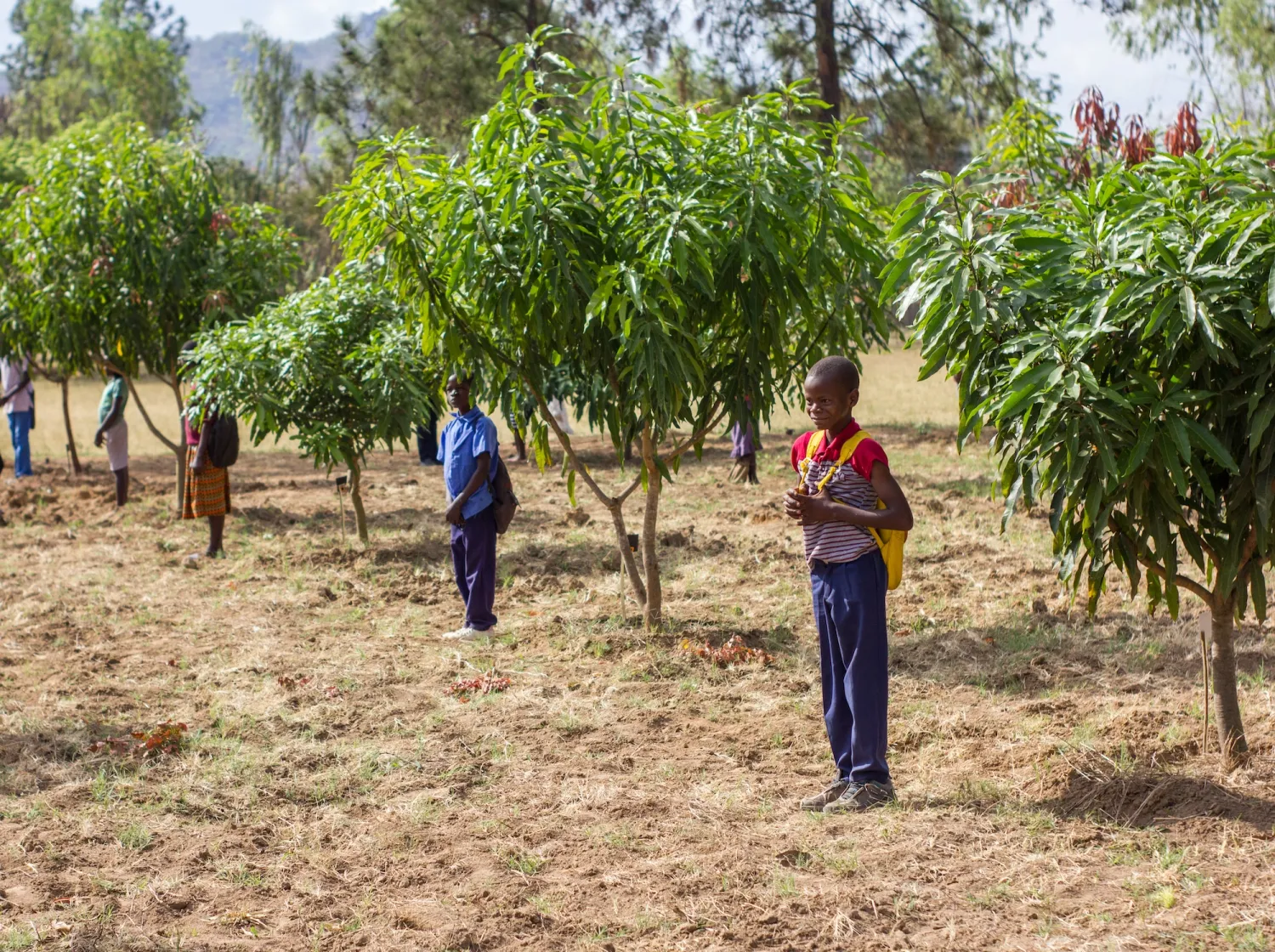
From classrooms to communities: How adolescents and youths are reimagining climate education across Eastern and Southern Africa
Climate change: A growing threat to education in Eastern and Southern Africa
Ensuring that school children around the world have access to high-quality, inclusive, and relevant teaching and learning experiences that prepare them for the future is becoming increasingly difficult. Climate change is presenting serious barriers to educational achievement, impeding children’s (especially girls’) ability to learn, thrive, and aspire to a brighter future.
A growing body of evidence demonstrates that climate shocks—heavy rainfall, extreme heat, drought, and landslides—affect learners both directly and indirectly. These events disrupt education by damaging school infrastructure, increasing absenteeism, and impairing concentration and learning outcomes, as cognitive development can be impaired by malnutrition. Taken together, all these climate-related factors keep children out of school. Read more

Innovative Learning Methods in Africa: 2026 EdTech Report
For the last few years, our team of volunteers and researchers have traveled to various schools in rural areas across Africa in urban centers in South Africa, Kenya and other villages in northern Nigeria. We have sat in dusty classrooms with teachers who have 60 kids and no books. We have spoken to parents who walk miles just to get their children to school. These trips opened our understanding to the real problems. Read more
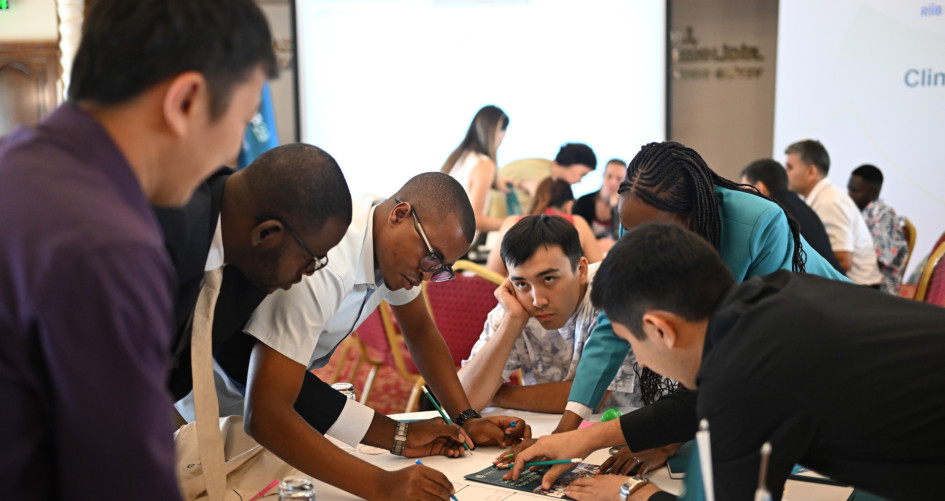
The power of youth in co-creating climate education
UN Climate Change News, 23 January 2026 – To mark tomorrow’s International Day of Education, we want to recognize a powerful tool for tackling climate change known as Action for Climate Empowerment (ACE) .
ACE , through its six elements, offers a toolbox to empower people to be a part of the solution through a change in the systems, attitudes and behaviours needed to foster sustainable development. While ACE involves all members of society coming together for climate action, in line with this year’s International Day of Education theme, we are spotlighting youth, and the benefit their power brings to planning and developing effective climate education policies.
The importance of youth participation at all levels of policy making and implementation was echoed by Noura Hamladji, UNFCCC Deputy Executive Secretary, following the Youth-led Climate Forum Headline event at COP 30. Read more
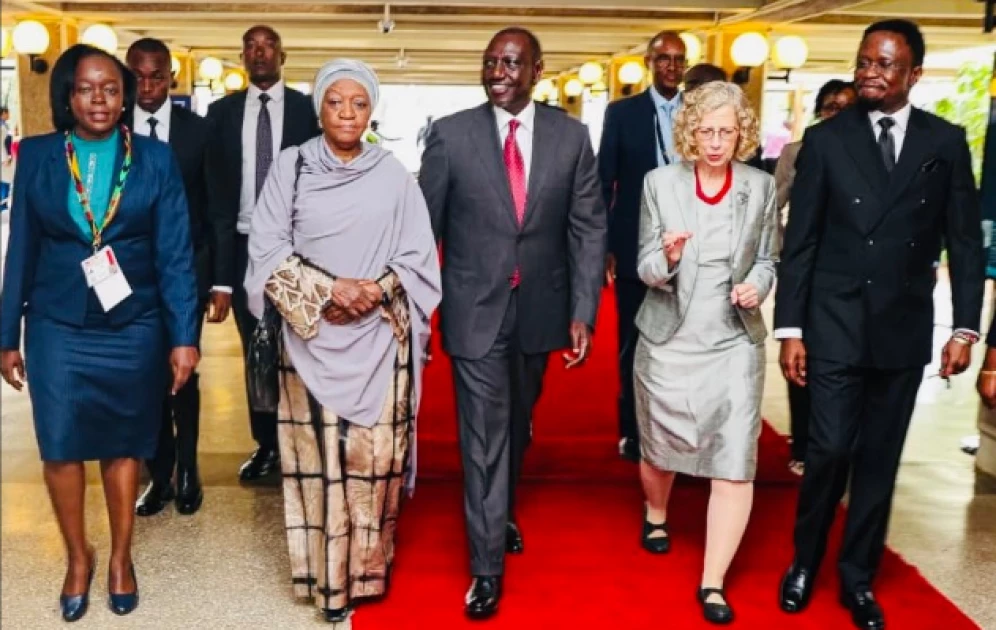
Kenya leads global breakthrough for sustainable Artificial Intelligence at UNEA 7
Kenya has emerged as a global trailblazer after successfully championing the first-ever United Nations resolution on the environmental sustainability of artificial intelligence (AI) at the seventh session of the UN Environment Assembly (UNEA-7).
This landmark decision not only elevates Kenya’s standing in global environmental and technological diplomacy but also signals a decisive shift, where Africa’s voice is shaping how rapidly evolving technologies intersect with the planet’s future.
For the first time in UN history, a resolution has comprehensively examined the environmental dimensions of AI. It addresses the rapidly growing ecological footprint of AI systems, including energy and water consumption, mineral extraction, and land pressure. At the same time, it underscores AI’s transformative potential in supporting climate resilience, biodiversity protection, and environmental monitoring. Read more here
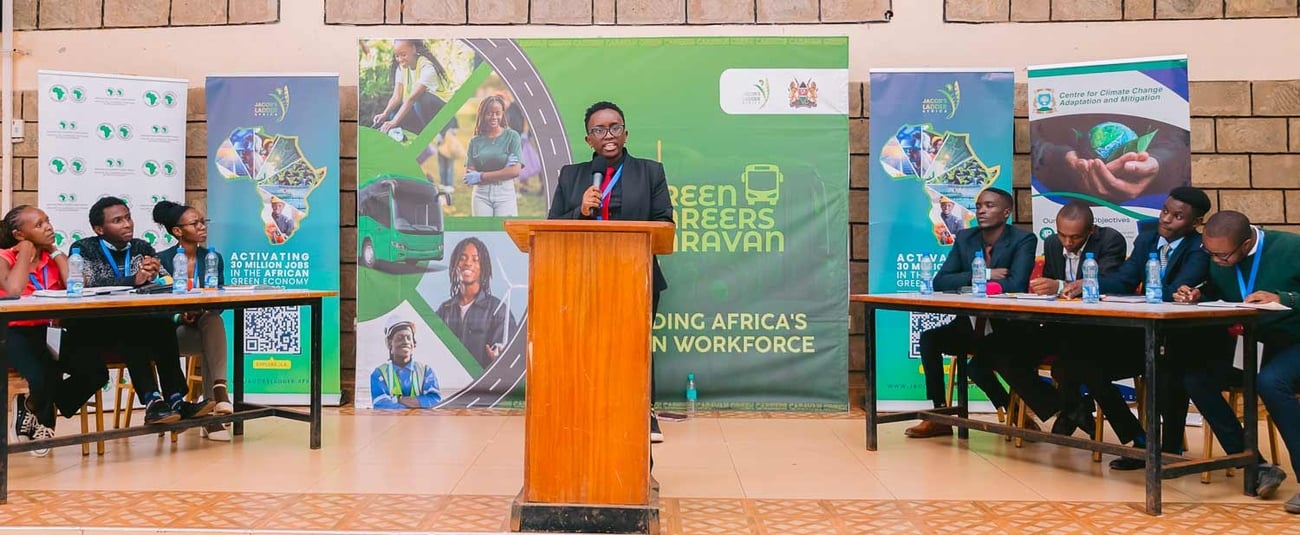
A new pathway for youth: AfDB offers support for green skills for Kenya’s future workforce
As part of its commitment to driving green and inclusive growth across Africa, the African Development Bank is supporting a new generation of environmentally conscious leaders in Kenya through its partnership with the Green Careers Caravan (GCC), an initiative of Jacob’s Ladder Africa (JLA).
Through this collaboration, the Bank aims to raise awareness of green skills among university students and encourage them to explore emerging opportunities in sustainability-linked careers. These green jobs—spanning renewable energy, climate action, regenerative agriculture, and environmental management—are central to building resilience and strengthening Kenya’s transition to a low-carbon economy. Read more here:
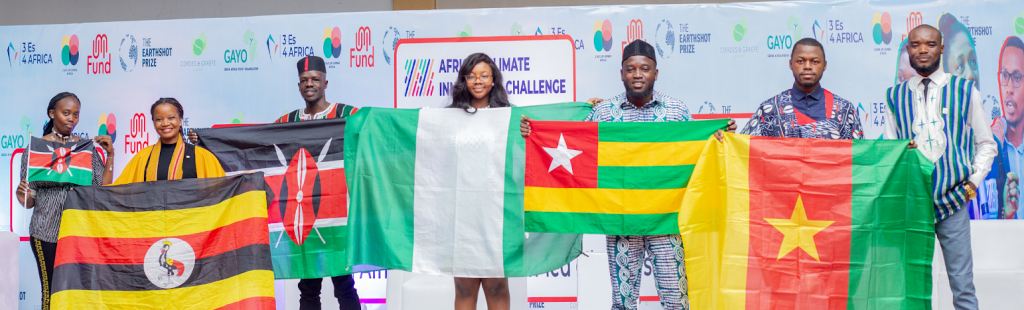
Five young innovators win 2025 African Climate Innovation Challenge
The winners./PHOTO; Courtesy
Five young entrepreneurs from across the continent have been named winners of the 2025 African Climate Innovation Challenge (ACIC), a programme designed to equip emerging innovators with funding, mentorship, and technical support to scale climate solutions.
The competition continues to grow as one of Africa’s leading platforms for nurturing early-stage green enterprises, especially those driven by youth determined to tackle the climate crisis with practical, community-focused innovations.
The winners were selected during the ACIC Startup Pitch Event held on November 29, 2025, at Hotel Africana in Kampala, Uganda. Read more here:
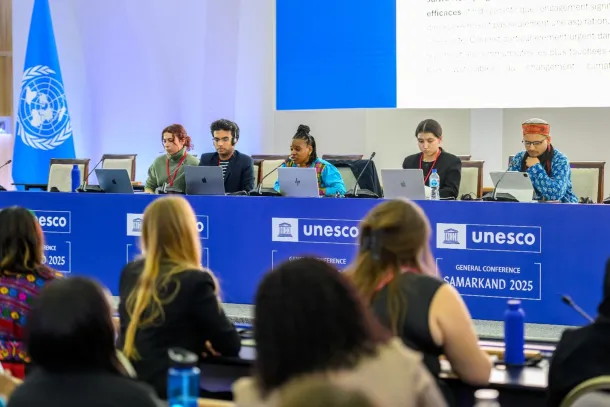
The 14th UNESCO Youth Forum: Young Leaders Unite for Climate Action and Social Impact
The choice of theme reflected an urgent reality that unites young people across borders: climate change is not only an environmental crisis but also a social crisis that profoundly affects their lives and futures. Oceans are warming twice as fast as they were two decades ago, and in 2024 alone, climate-related disasters displaced over 800,000 people — the highest number of new displacements recorded in 16 years . Climate change now threatens one in six cultural heritage sites and exacerbates global water scarcity. It also erodes identity, traditional knowledge, community resilience, and cultural expression. Read more here
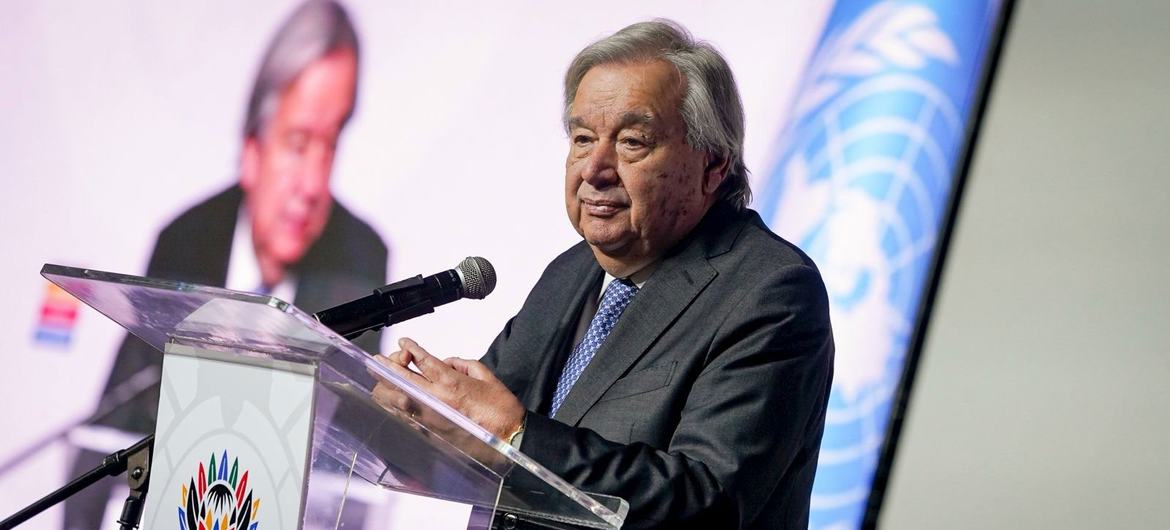
It’s time for leadership and vision, Guterres tells G20 in South Africa
A South African flag-coloured King Protea flower – symbolising hope and regeneration – is the chosen logo for this year’s G20 Leaders’ Summit, taking place on African soil for the first time.
“Now is the time for leadership and vision,” the UN Secretary-General António Guterres told journalists in Johannesburg on Friday, a day ahead of the official opening.
The G20 bloc is made up of the world’s largest economies, although the United States has announced it will not officially participate.
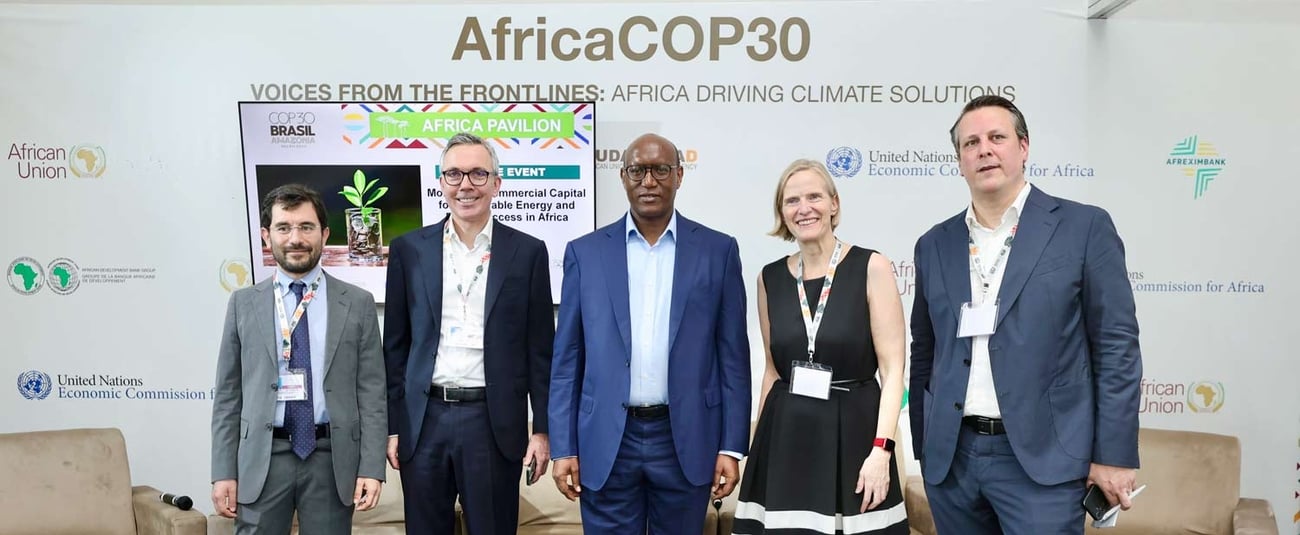
COP30: AfDB’s SEFA mobilises nearly EUR50 million in new commitments for just energy transition and Mission 300
The African Development Bank Group’s Sustainable Energy Fund for Africa (SEFA), a multi-donor special fund managed by the Bank Group, has secured new investment commitments totalling nearly EUR 50 million, to strengthen the rollout of Mission 300 and accelerate climate action across Africa’s power sector.
The commitments, made by the governments of Germany and Italy, were announced at a COP30 side event held at the Africa Pavilion on 14 November. Germany committed EUR 14 million to support SEFA’s universal energy access goal, and EUR 30 million for the new SEFA green hydrogen programme, reflecting the strategic importance of this emerging sector for Africa’s decarbonisation and industrial development. Italy also announced a new contribution of five million euros to the fund.
- 1
- 2