
-
Elroy Hub, Kugeria Rd
Off Kiambu Rd
-
+254 707 767 453
ask@nurutrust.africa

Bridging Africa’s youth aspirational gap: unlocking high-growth entrepreneurship
Africa’s youth are brimming with entrepreneurial ambition. Yet, despite an estimated 75% aspiring to start businesses, most face significant barriers that prevent them from turning ideas into thriving enterprises. Limited access to finance, weak support systems, and restrictive regulatory environments force many into “survival” businesses, ventures born of necessity rather than opportunity. These businesses rarely scale, generate few jobs, and contribute minimally to long-term economic transformation. Lastly, and as a long-term consequence: it might generate precarious and informal jobs. Read more

Education priorities to help young people shape Africa’s future
Young people today are navigating a world that is changing fast. From advances in artificial intelligence (AI) and technology to the impacts of climate change and global politics, they’re preparing not just to face uncertainty – but to shape what comes next.
How effectively they do this will depend in part on their education, which has a crucial role in equipping students with the skills, knowledge and behaviours to thrive in the future, writes Juan Visser, regional director: sub-Saharan Africa, International Education at Cambridge University Press & Assessment. Read more
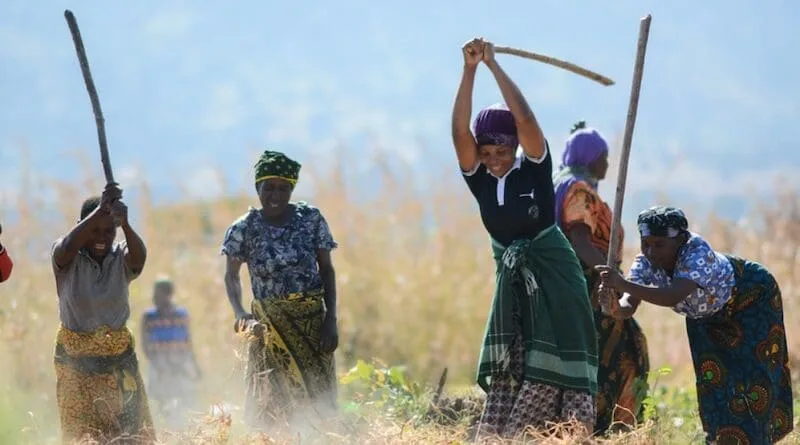
Africa Urged To ‘Mainstream’ Homegrown Climate Adaptation
Mainstreaming locally-led adaptation interventions is vital to building resilience against escalating climate risks, which are threatening livelihoods, ecosystems and development in Africa, according to new analysis.
However, adaptation efforts on the continent remain fragmented, unevenly financed, and dominated by external priorities, finds the study, published by Global Health Strategies in partnership with the African Union (AU) Commission’s Sustainable Environment and Blue Economy Directorate. Read More

Harnessing data and frontier technologies for Africa’s economic transformation: forthcoming economic report calls for innovation-driven growth to accelerate structural transformation
9 March, 2026
Addis Ababa, 9 March 2026 (ECA) – The United Nations Economic Commission for Africa (ECA) will soon release its flagship Economic Report on Africa 2026 (ERA 2026) titled “Growth through Innovation: Harnessing Data and Frontier Technologies for Africa’s Economic Transformation.” The report underscores that while Africa has achieved steady economic growth in recent years, much of this progress has been driven by factor accumulation, capital and labour, rather than sustained productivity gains. As a result, the continent’s structural transformation has been slow, with limited reallocation of labour and investment into higher-productivity sectors such as manufacturing and modern services. Read more
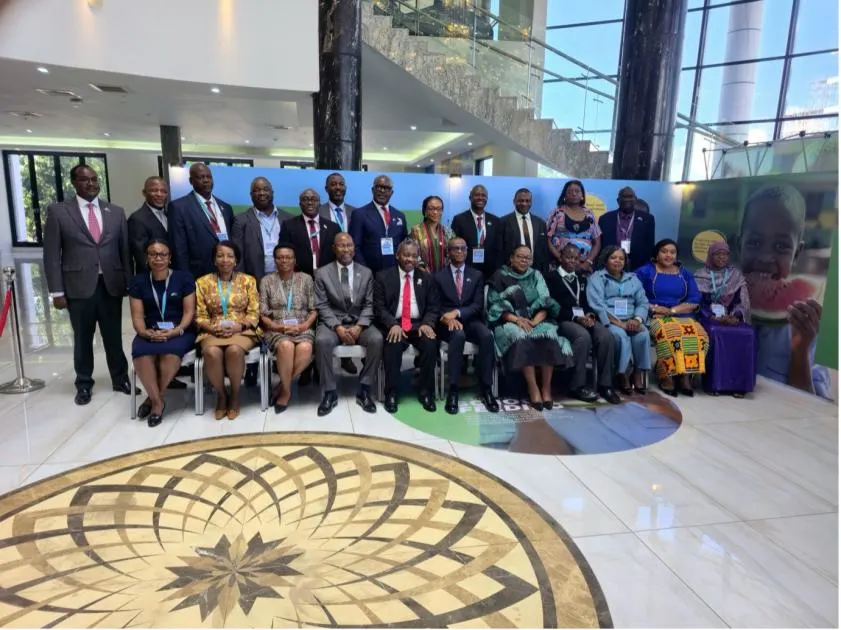
Africa Commits to the Next Decade of School Feeding: Nutritious Meals, Clean Water, and Local Prosperity
The African Union Commission (AUC), in collaboration with the Government of the Republic of Botswana and development partners, commemorated the 11th Anniversary of the African Day of School Feeding (ADSF) in Gaborone, Botswana, under the theme “Ensuring Access to Nutritious Meals, Clean Water, and Hygiene: Promoting Safety and Resilience in Every School Meal Investment.” The event served as a key milestone in evaluating the progress made over the past decade in implementing school feeding programs across the continent and reaffirming commitments to sustaining and scaling up these initiatives. Read more
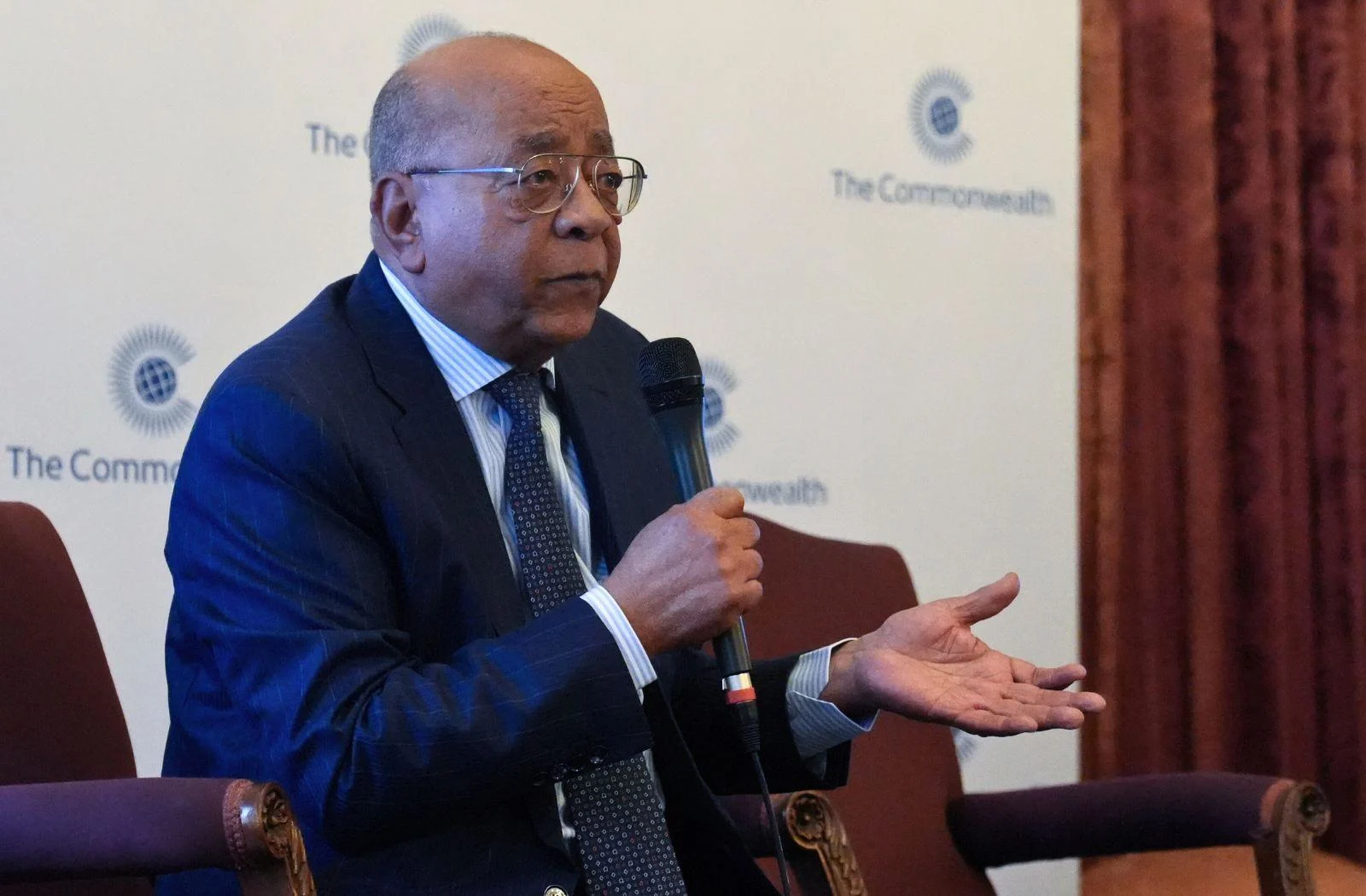
Marlborough House Dialogues: Reclaiming Africa’s democratic future with Sir Mo Ibrahim
Leaders, visionaries, and youth leaders gathered for a Marlborough House Dialogue on 23 February 2026 to engage with Sir Dr Mo Ibrahim, Founder and Chair of the Mo Ibrahim Foundation, on the future of Africa.
Bringing together two generations united by a shared purpose, this edition of the Marlborough House Dialogues explored a future where good governance, accountability, and youth leadership become the foundation of Africa’s renewal.
Sir Dr Mo Ibrahim is renowned for being one of Africa’s most influential voices on good governance, ethical leadership, and data-driven policy. He has long argued that healthy democracies cannot exist without active, informed citizens. Read More

Strengthening University–Industry Collaboration for Youth Skills Development Through EdTech Partnerships
Under UNESCO’s Campus Africa flagship and in line with the Organization’s Operational Strategy for Priority Africa (2022 – 2029), UNESCO is supporting higher education institutions to strengthen their role in youth empowerment, skills development, innovation, and sustainable socio-economic transformation. Central to this effort is fostering collaboration between universities and industry, particularly through the responsible use of digital technologies to enhance teaching, training, and youth employability.
Within this framework, TECH SPARK Africa: Technology Empowerment and Competency Enhancement for Skills, Professional Articulation, and Knowledge Innovation is a regional initiative coordinated by the UNESCO Regional Office for Southern Africa (UNESCO ROSA). Implemented in partnership with universities in Botswana (Botswana International University of Science and Technology), Namibia (Namibia University of Science and Technology), and Zimbabwe (Harare Institute of Technology), the initiative focuses on leveraging simulation learning technologies to strengthen STEM education, build educator capacity, and support the digital transformation of higher technical education. Read more
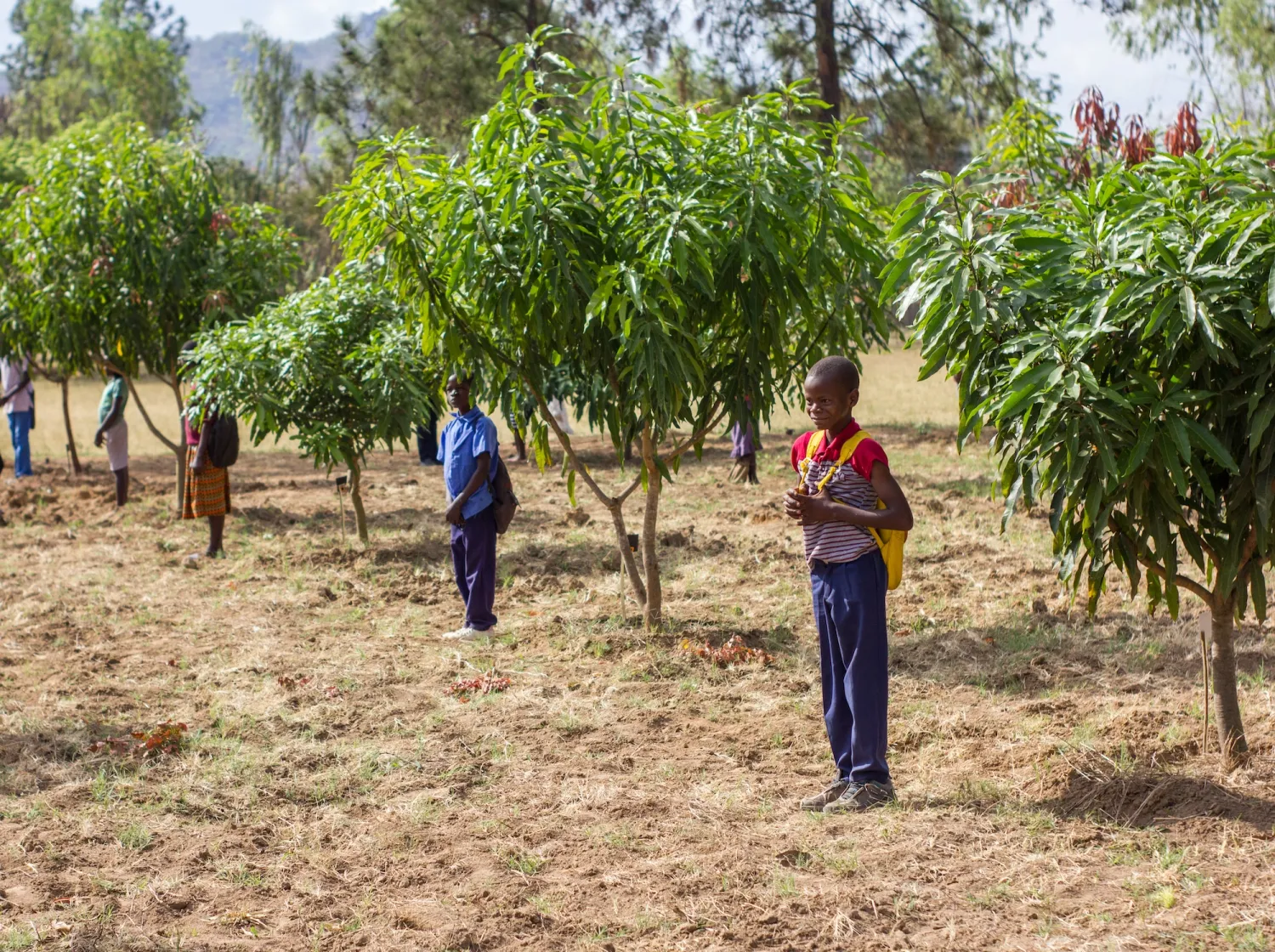
From classrooms to communities: How adolescents and youths are reimagining climate education across Eastern and Southern Africa
Climate change: A growing threat to education in Eastern and Southern Africa
Ensuring that school children around the world have access to high-quality, inclusive, and relevant teaching and learning experiences that prepare them for the future is becoming increasingly difficult. Climate change is presenting serious barriers to educational achievement, impeding children’s (especially girls’) ability to learn, thrive, and aspire to a brighter future.
A growing body of evidence demonstrates that climate shocks—heavy rainfall, extreme heat, drought, and landslides—affect learners both directly and indirectly. These events disrupt education by damaging school infrastructure, increasing absenteeism, and impairing concentration and learning outcomes, as cognitive development can be impaired by malnutrition. Taken together, all these climate-related factors keep children out of school. Read more

Innovative Learning Methods in Africa: 2026 EdTech Report
For the last few years, our team of volunteers and researchers have traveled to various schools in rural areas across Africa in urban centers in South Africa, Kenya and other villages in northern Nigeria. We have sat in dusty classrooms with teachers who have 60 kids and no books. We have spoken to parents who walk miles just to get their children to school. These trips opened our understanding to the real problems. Read more

The power of youth in co-creating climate education
UN Climate Change News, 23 January 2026 – To mark tomorrow’s International Day of Education, we want to recognize a powerful tool for tackling climate change known as Action for Climate Empowerment (ACE) .
ACE , through its six elements, offers a toolbox to empower people to be a part of the solution through a change in the systems, attitudes and behaviours needed to foster sustainable development. While ACE involves all members of society coming together for climate action, in line with this year’s International Day of Education theme, we are spotlighting youth, and the benefit their power brings to planning and developing effective climate education policies.
The importance of youth participation at all levels of policy making and implementation was echoed by Noura Hamladji, UNFCCC Deputy Executive Secretary, following the Youth-led Climate Forum Headline event at COP 30. Read more