
-
Elroy Hub, Kugeria Rd
Off Kiambu Rd
-
+254 707 767 453
ask@nurutrust.africa

Africa’s youth are shaping the continent’s climate future
By: Nicholas Njau
Comments: 0
Africa is on the frontlines of the climate crisis, warming faster than the global average and facing disproportionate climate impacts, despite contributing the least to global greenhouse gas emissions. This is particularly evident in the growing pressures that climate change is placing on water resources and systems across the continent. As water underpins agriculture, livelihoods, ecosystems, and energy production, water-related climate impacts are deepening inequalities and threatening sustainable development across Africa. Read more
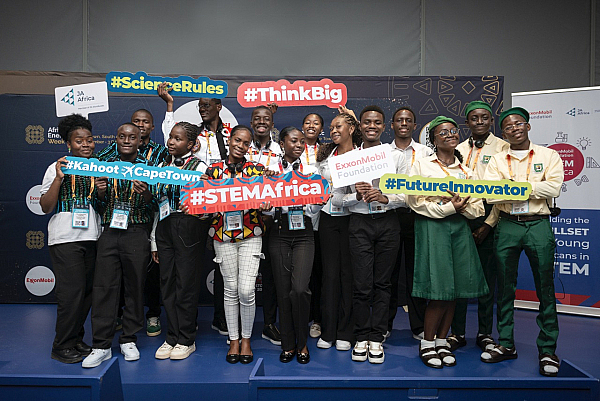
Junior Achievement (JA) Africa and ExxonMobil Foundation Launch Science, Technology, Engineering, and Maths (STEM) Africa 2.0 to Equip the Next Generation of African Innovators
By: Nicholas Njau
Comments: 0
JA (Junior Achievement) Africa (www.JA-Africa.org), with support from the ExxonMobil Foundation, announces the launch of the 2026 ExxonMobil Foundation STEM Africa Program, an initiative designed to equip young Africans with critical science, technology, engineering, and maths (STEM) and artificial intelligence (AI) skills.
The program builds on a successful partnership that has already reached more than 10,000 young people across Angola, Mozambique, Namibia, and Nigeria. The 2026 edition, dubbed STEM Africa 2.0, is an initiative that integrates AI learning pathways and aims to equip 4,000 additional students aged 14–17 with the skills needed to thrive in a rapidly evolving digital economy. Read more
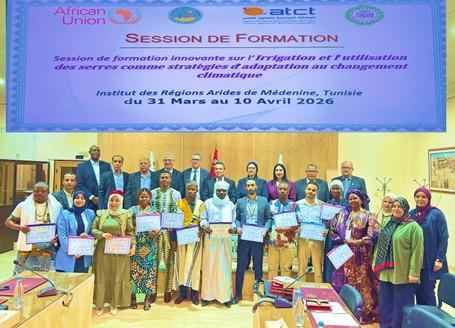
AU-SAFGRAD Training on Climate-Smart Irrigation & Greenhouse Design for Agrifood Systems Transformation
By: Nicholas Njau
Comments: 0
The African Union’s Semi-Arid Food Grains Research and Development (AU-SAFGRAD), one of the specialized technical Offices (STOs) in the Department of Agriculture, Rural Development Blue Economy and Sustainable Environment (ARBE), organized a training on Design, Operations and Maintenance (DOM) of Climate smart agricultural technologies for agrifood systems transformation in Africa.
The 10-day intensive training from 31st March- 9th April 2026, was organized in collaboration with the League of Arab States’ Arab Fund for Technical Assistance to African countries (AFTAAC) and l’ Agence Tunisienne de Coopération Technique (ATCT). The Training course adopted a mixed mode of seminar lectures, practical training, and field visits delivered and facilitated by technical and field experts from agricultural research institutes and commercial farms. Read more
Artificial Intelligence: Governance, Peace and Security in Africa
By: Nicholas Njau
Comments: 0
Tomorrow (16 April), the African Union (AU) Peace and Security Council (PSC) will convene its 1339th session on ‘Artificial Intelligence: Governance, Peace and Security in Africa’. The session will be held at the Ministerial level.
Following opening remarks by Gedion Timothewos Hessebon, Minister of Foreign Affairs of the Federal Democratic Republic of Ethiopia and Chairperson of the PSC for April 2026, Mahamoud Ali Youssouf, Chairperson of the AU Commission will make the introductory statement. The meeting will then receive briefings from Worku Gachena Negera, Director General of Ethiopian Artificial Intelligence Institute, and Samson Itodo, Chairperson of the African Union Advisory Group on Artificial Intelligence. Bernardo Mariano Junior, Assistant Secretary-General, Chief Information Technology Officer, UN Office of Information and Communications Technology (UNOICT) will also make a statement. Read more

Peaceful Dissent or Security Threat? State Responses to Youth-led Protests in Kenya (2023– 2024)
By: Nicholas Njau
Comments: 0
In the period 2023–2024, Kenya witnessed an upsurge in youth-led protests that significantly challenged state legitimacy and governance. This article explores the dilemma in which the state is split between viewing the protests as legitimate expressions of peaceful dissent and perceiving them as threats to national security that necessitate the use of significant force to deter. Using the human security and bottom-up peacebuilding frameworks, it analyses the Kenyan state’s response to recent youth-led protests, examining the impact of securitisation of the protests on peace and stability, and recommending actions that may engender the re-imagining of state-youth engagement for a better Kenya. Through identified practice and policy recommendations, it aims to balance the civic rights of the youth with the security needs of the state. Read more
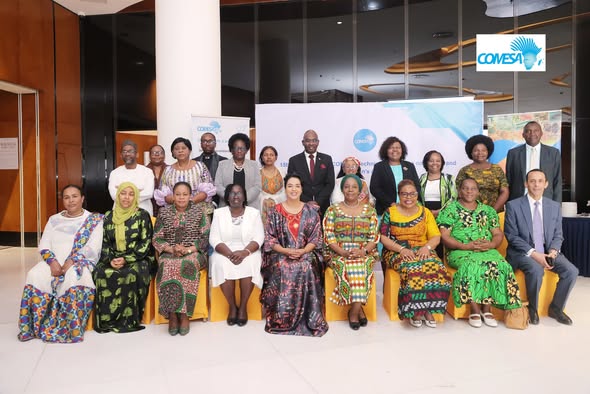
13th Meeting of the COMESA Ministers Responsible for Gender and Women’s Affairs
By: Nicholas Njau
Comments: 0
16 April 2026, Addis Ababa, Ethiopia – The 13th Meeting of the COMESA Ministers Responsible for Gender and Women’s Affairs convened in Addis Ababa, bringing together Ministers, senior officials, COMESA institutions, and cooperating partners to advance a results-oriented agenda on gender equality, women’s empowerment, and social development across the region. Read more
Rwanda to host AI4EAC STI Conference on responsible artificial intelligence in Kigali
By: Nicholas Njau
Comments: 0
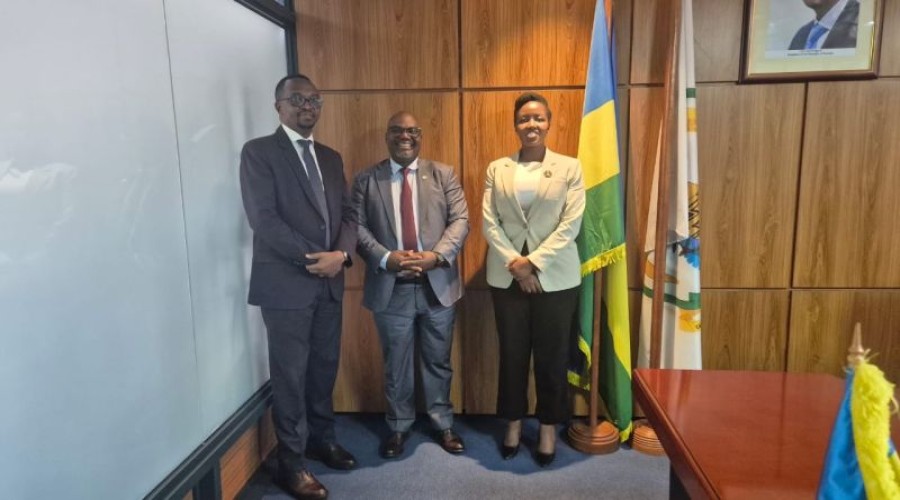
Plans are underway for the upcoming AI4EAC Science, Technology and Innovation (STI) Conference, which will be held in Kigali with a focus on advancing the responsible use of artificial intelligence across East Africa.
The conference was discussed during a meeting between Muyambi Fortunate, Deputy Executive Secretary of the East African Science and Technology Commission, and Rwanda’s Minister of ICT and Innovation, Paula Ingabire.
Scheduled to take place at the Kigali Convention Centre, the conference will be held under the theme “Harnessing Responsible Artificial Intelligence for the East Africa We Envision.” It is expected to bring together policymakers, researchers, innovators, and industry leaders from across the region. Read more
African Union Holds Continental Consultation on CAADP Kampala Result Framework and Biennial Review (BR)
By: Nicholas Njau
Comments: 0
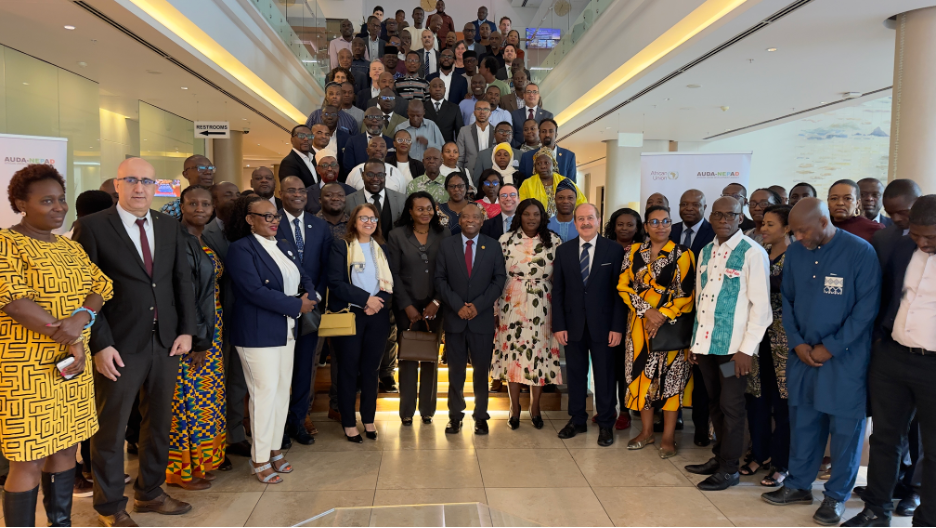
The Continental Consultation on CAADP Kampala Result Framework and Biennial Review (BR) Indicators successfully concluded in Windhoek, Namibia, held from 24-27 March 2026. The Four-day consultation workshop brought together African Union Member States, Regional Economic Communities (RECs), and technical experts, to consider and review a harmonized framework for tracking progress on the Compressive Agriculture Development Programme (CAADP) Kampala Strategy and Action Plan (2026-2035). Read more
ECA boss urges Africa to embrace innovation shift.
By: Nicholas Njau
Comments: 0
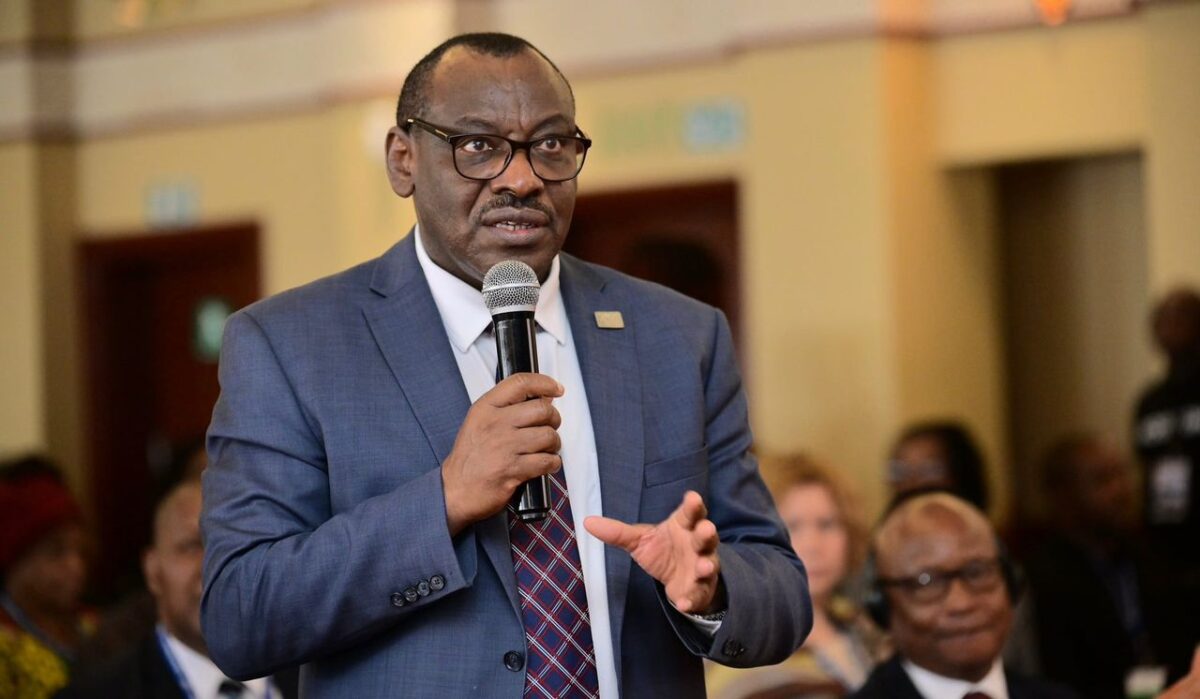
Africa’s growth over two decades has been real but not transformative, driven more by labour, capital, and commodities than productivity and innovation, said Claver Gatete, the Under-Secretary-General and Executive Secretary of the UN Economic Commission for Africa.
Mr Gatete said this following the 58th session of the ECA and the Conference of African Ministers of Finance, Planning and Economic Development meetings, which began on Saturday in Tangier, Morocco.
In a statement by ECA’s communications section, Mr Gatete said too little labour had moved from subsistence agriculture into higher-productivity sectors. Read more

How data governance will define Africa’s AI future
By: Nicholas Njau
Comments: 0
Gemini said
Digital public infrastructure is expanding across Africa, connectivity improving and governments and businesses are increasingly exploring how emerging technologies such as artificial intelligence (AI) can support economic growth and public services.
The defining question is not only whether Africa participates in the AI economy, but if value created from African data, talent and deployment is captured within the continent’s economies.
At the centre of this challenge lies data because AI systems rely on data to learn, adapt and generate value. Read more